
How to Make Rosemary Oil at Home in Kenya
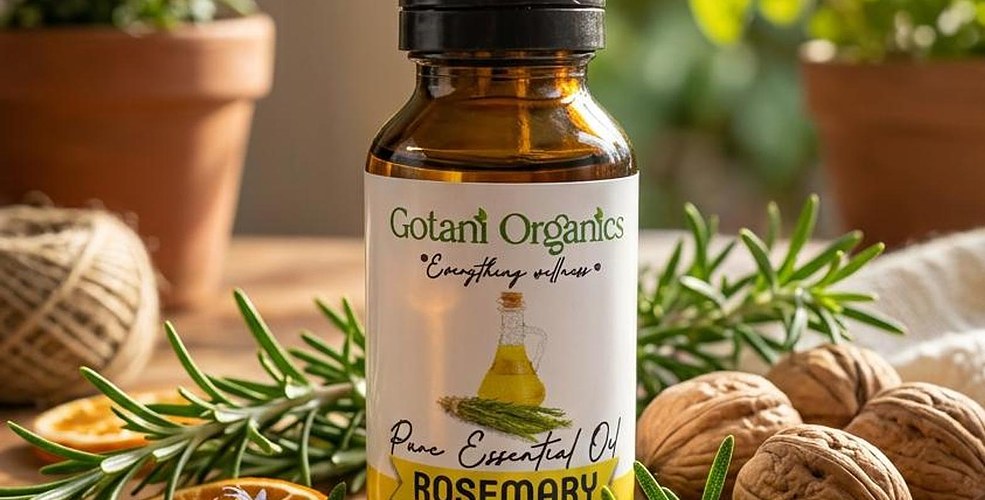
Learn how to make rosemary oil at home in Kenya with this easy step-by-step guide. Discover its benefits for hair growth, skin care, and natural wellness.
Introduction
Rosemary oil is one of the most powerful natural oils used for hair growth, scalp health, and skincare. In Kenya, where natural beauty remedies are gaining popularity, many people are now choosing to make their own rosemary oil at home instead of buying expensive versions.
The good news? It’s simple, affordable, and you can do it using ingredients available locally.
In this guide, you’ll learn How to Make Rosemary Oil at Home in Kenya, including the ingredients, methods, benefits, and tips for best results.
What is Rosemary Oil?
Rosemary oil is an infused oil made by soaking rosemary leaves in a carrier oil to extract its nutrients and active compounds.
Key nutrients:
- Antioxidants
- Anti-inflammatory compounds
- Essential oils that stimulate circulation
Common uses in Kenya:
Promoting hair growth
Promoting hair growth
- Reducing dandruff
- Strengthening hair
- Improving scalp health
- Skincare treatments
Benefits of Rosemary Oil
Before diving into How to Make Rosemary Oil at Home in Kenya, here are some key benefits:
1. Promotes Hair Growth
Stimulates blood circulation in the scalp, encouraging hair growth.
2. Reduces Dandruff
Has antibacterial and antifungal properties that help maintain a healthy scalp.
3. Strengthens Hair
Reduces breakage and improves hair texture.
4. Improves Skin Health
Helps with acne, inflammation, and skin tone.
5. Natural and Chemical-Free
A safer alternative to commercial products.
Ingredients You Need
Making rosemary oil at home in Kenya is simple and affordable.
You’ll need:
- Fresh or dried rosemary leaves
- A carrier oil (choose one):
- Coconut oil
- Olive oil
- Almond oil
- A clean glass jar with a lid
- A strainer or clean cloth
- A dark bottle for storage
Method 1: Cold Infusion (Best for Nutrient Retention)
This is the most recommended method when learning How to Make Rosemary Oil at Home in Kenya.
Steps:
- Wash fresh rosemary leaves and let them dry completely
- Lightly crush the leaves to release natural oils
- Place them in a clean, dry glass jar
- Pour your chosen carrier oil over the leaves until fully covered
- Seal the jar tightly
- Store in a cool, dark place
Infusion time:
- Leave for 2–4 weeks
- Shake the jar gently every few days
Final step:
- Strain the oil into a clean bottle
- Store in a dark container
Method 2: Heat Infusion (Faster Method)
If you need quicker results, use this method.
Steps:
- Add rosemary leaves and carrier oil to a pot
- Heat on very low heat for 20–30 minutes
- Do NOT let the oil boil
- Allow it to cool
- Strain and store
Note:
This method is faster but may slightly reduce nutrient potency.
How to Use Rosemary Oil
Now that you know How to Make Rosemary Oil at Home in Kenya, here’s how to use it:
1. For Hair Growth
Steps:
- Apply oil directly to the scalp
- Massage gently for 5–10 minutes
- Leave for at least 30 minutes (or overnight)
- Wash with shampoo
Frequency:
- 2–3 times a week
2. For Dandruff Treatment
- Apply to scalp
- Leave for 1 hour
- Wash thoroughly
Helps reduce flakes and itching.
3. As a Hair Conditioner
- Apply small amounts to hair ends
- Leave in for moisture and shine
4. For Skin Care
- Apply small amounts to affected areas
- Helps reduce acne and inflammation
5. As a Massage Oil
- Use for body massage
- Helps improve circulation and relaxation
Tips for Best Results
To get the most out of your homemade rosemary oil:
- Use completely dry rosemary (water causes spoilage)
- Store oil in a cool, dark place
- Use clean containers to avoid contamination
- Avoid overheating during preparation
- Label your oil with the date
How Long Does Homemade Rosemary Oil Last?
- Typically lasts 3–6 months
- Store in a sealed, dark bottle
- Keep away from direct sunlight
If the smell changes or becomes rancid, discard it.
Where to Get Rosemary in Kenya
Rosemary is easy to find in Kenya:
- Local markets
- Supermarkets
- Grocery stores
- Home gardens (many people grow it easily)
You can even plant rosemary at home for a постоян supply.
Safety Tips
While rosemary oil is natural, use it carefully:
- Do a patch test before use
- Avoid contact with eyes
- Use in moderation
- Pregnant individuals should consult a doctor before use
Why Make Rosemary Oil at Home in Kenya?
Here’s why many Kenyans prefer DIY rosemary oil:
- Saves money
- Ensures purity (no additives)
- Easy to make with local ingredients
- Customizable to your needs
It’s a simple way to embrace natural wellness.
Final Thoughts
Learning How to Make Rosemary Oil at Home in Kenya is a valuable skill for anyone interested in natural beauty and wellness. With just a few ingredients and simple steps, you can create a powerful oil that supports hair growth, improves scalp health, and enhances your skincare routine.
Consistency is key—use your rosemary oil regularly and combine it with a healthy lifestyle for the best results.
Related: 7 Best Natural Skincare Products in Nairobi
Consistency is key—use your rosemary oil regularly and combine it with a healthy lifestyle for the best results.
Related: 7 Best Natural Skincare Products in Nairobi
FAQs on How to Make Rosemary Oil at Home in Kenya
1. Can I use dried rosemary instead of fresh?
Yes, dried rosemary works very well and reduces the risk of spoilage.
2. Which oil is best for making rosemary oil?
Coconut oil and olive oil are the most commonly used in Kenya.
3. How long should I leave rosemary oil in my hair?
At least 30 minutes, but overnight treatment gives better results.
4. Can I use rosemary oil daily?
Yes, but 2–3 times a week is usually enough for most people.