
How to Identify Pure Shea Butter in Kenya
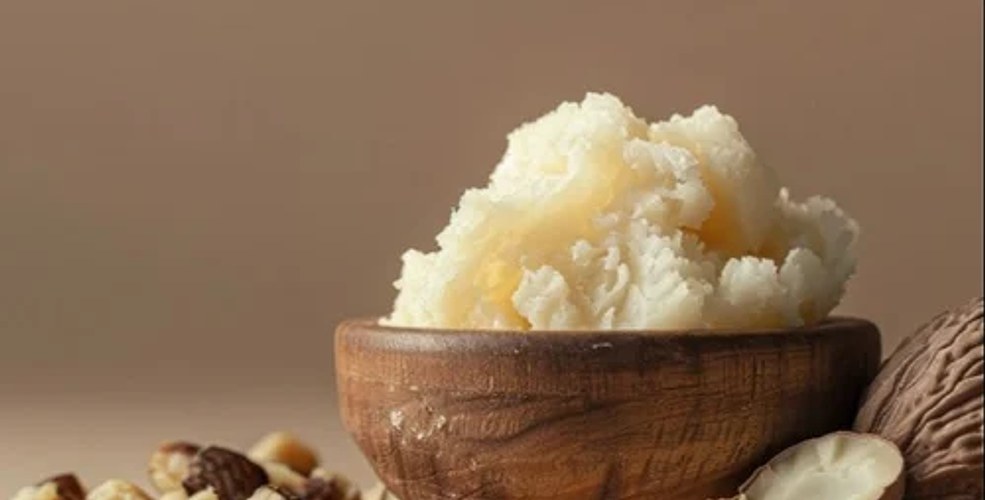
Learn how to identify pure shea butter in Kenya. Discover simple tests, key features, and tips to avoid fake or low-quality shea butter.
Introduction
Shea butter is one of the most popular natural skincare products in Kenya, widely used for moisturizing, healing, and protecting the skin. However, with its growing demand, the market is now flooded with fake, diluted, or heavily processed versions.
If you want to enjoy the full benefits, it’s important to know How to Identify Pure Shea Butter in Kenya. Using low-quality products not only reduces effectiveness but can also irritate your skin.
In this guide, we’ll walk you through simple, practical ways to identify authentic shea butter so you can buy with confidence.
If you want to enjoy the full benefits, it’s important to know How to Identify Pure Shea Butter in Kenya. Using low-quality products not only reduces effectiveness but can also irritate your skin.
In this guide, we’ll walk you through simple, practical ways to identify authentic shea butter so you can buy with confidence.
What is Pure Shea Butter?
Pure shea butter is a natural fat extracted from the nuts of the shea tree. It is typically:
- Unrefined or raw
- Free from chemicals and additives
- Rich in vitamins A, E, and F
- Naturally moisturizing and healing
In Kenya, most shea butter is imported from West Africa or sourced regionally, but quality varies widely.
Why It’s Important to Choose Pure Shea Butter
Before learning How to Identify Pure Shea Butter in Kenya, here’s why it matters:
Benefits of pure shea butter:
- Deeply moisturizes dry skin
- Helps heal cracks and wounds
- Reduces inflammation and irritation
- Improves skin elasticity
- Safe for sensitive skin
Fake or refined products may lack these benefits and can contain harmful additives.
1. Check the Color
One of the easiest ways to identify pure shea butter is by its color.
Pure shea butter:
- Off-white, ivory, or slightly yellow
- Natural and uneven tone
Fake or refined shea butter:
- Bright white (often bleached)
- Artificially colored
- If it looks too perfect or overly white, it’s likely refined or processed.
2. Smell the Butter
Pure shea butter has a distinct natural scent.
What to expect:
- Nutty, earthy, slightly smoky smell
- Mild but noticeable
Warning signs:
- No smell (likely over-processed)
- Strong perfume or fragrance (added chemicals)
- Authentic shea butter should not smell like artificial lotion.
3. Feel the Texture
Texture is a strong indicator when learning How to Identify Pure Shea Butter in Kenya.
Pure shea butter:
- Slightly grainy or uneven
- Softens quickly when rubbed
- Melts easily on contact with skin
Fake or low-quality:
- Too smooth like lotion
- Too hard or waxy
- Does not melt easily
Real shea butter should feel rich but natural.
4. Perform the Melt Test
Shea butter melts at body temperature.
How to test:
- Take a small amount in your hand
- Rub it gently
Result:
- Pure shea butter melts quickly into oil
- Fake versions may stay solid or feel waxy
This is one of the simplest and most reliable tests.
5. Check the Ingredients Label
If you’re buying packaged shea butter, always read the label.
Look for:
- 100% pure shea butter
- “Unrefined” or “raw”
- No added chemicals or preservatives
Avoid products with:
Fragrances
Fragrances
- Alcohol
- Mineral oil
- Artificial colors
The fewer ingredients, the better.
6. Look at the Packaging
Packaging can also give clues.
Pure shea butter is often:
- Sold in simple containers
- Packed in jars or tubs without flashy branding
Be cautious of:
- Overly branded “luxury” products
- Claims that sound too good to be true
High-quality shea butter doesn’t need heavy marketing.
7. Consider the Price
Price can help you identify authenticity.
Pure shea butter:
- Moderately priced
- Reflects natural sourcing and processing
Warning signs:
- Extremely cheap products
- Prices that seem too good to be true
👉 Very low prices often indicate diluted or fake products.
8. Source Matters
Where you buy your shea butter matters.
Trusted places in Kenya:
- Organic shops
- Reputable beauty stores
- Verified online sellers
- Local natural product vendors
Avoid:
- Unknown street vendors without product information
- Unlabeled or suspicious packaging
9. Water Test (Optional)
You can also test purity using water.
Steps:
Add a small amount of shea butter to warm water
Steps:
Add a small amount of shea butter to warm water
Results:
Pure shea butter melts and floats
Pure shea butter melts and floats
- Fake versions may separate or leave residue
10. Shelf Life and Stability
Pure shea butter has a long shelf life.
Signs of good quality:
- Maintains texture over time
- Does not develop strong chemical smells
Warning signs:
- Rancid or sour smell
- Separation or unusual texture
Common Types of Shea Butter in Kenya
When learning How to Identify Pure Shea Butter in Kenya, it helps to know the types available:
1. Raw/Unrefined Shea Butter
- Best quality
- Retains all nutrients
2. Refined Shea Butter
- Processed and odorless
- Lower nutrient content
3. Whipped Shea Butter
- Mixed with other oils
- Good for cosmetic use but not 100% pure
Tips for Buying Pure Shea Butter in Kenya
- Always ask about sourcing
- Check reviews when buying online
- Buy small quantities first to test
- Choose trusted sellers
- Store properly after purchase
How to Store Shea Butter
Proper storage helps maintain quality:
- Keep in a cool, dry place
- Avoid direct sunlight
- Use clean hands or tools when scooping
Final Thoughts on the How to Identify Pure Shea Butter in Kenya
Knowing How to Identify Pure Shea Butter in Kenya is essential if you want to enjoy its full skincare benefits. With so many options in the market, being able to spot authentic shea butter saves you money and protects your skin.
By checking the color, smell, texture, ingredients, and source, you can confidently choose high-quality shea butter that delivers real results.
Natural skincare doesn’t have to be complicated—just informed.
Related: Why Shea Butter Is a Skincare Essential in Kenya
By checking the color, smell, texture, ingredients, and source, you can confidently choose high-quality shea butter that delivers real results.
Natural skincare doesn’t have to be complicated—just informed.
Related: Why Shea Butter Is a Skincare Essential in Kenya
FAQs on the How to Identify Pure Shea Butter in Kenya
1. Is yellow shea butter better than white?
Not necessarily. Both can be pure, but overly white shea butter may be refined.
2. Can pure shea butter go bad?
Yes, but it has a long shelf life (usually 1–2 years if stored properly).
3. Why does my shea butter feel grainy?
That’s normal for raw shea butter and indicates minimal processing.
4. Where can I buy pure shea butter in Kenya?
You can find it in organic stores, beauty shops, and trusted online marketplaces.
Not necessarily. Both can be pure, but overly white shea butter may be refined.
2. Can pure shea butter go bad?
Yes, but it has a long shelf life (usually 1–2 years if stored properly).
3. Why does my shea butter feel grainy?
That’s normal for raw shea butter and indicates minimal processing.
4. Where can I buy pure shea butter in Kenya?
You can find it in organic stores, beauty shops, and trusted online marketplaces.