
How to Make Coconut Oil at Home in Kenya
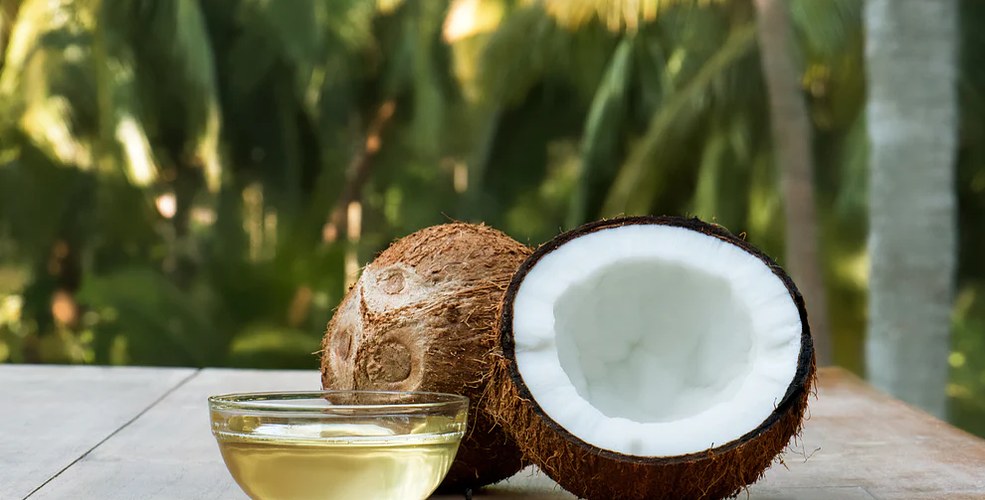
Learn how to make coconut oil at home in Kenya using fresh coconuts. Discover the easiest methods, benefits, storage tips, FAQs, and everything you need to know.
How to Make Coconut Oil at Home in Kenya
If you've been searching for the easiest way to make coconut oil at home in Kenya, you're in the right place. Coconut oil has become one of the most popular natural oils in Kenya thanks to its numerous health, beauty, and cooking benefits. Whether you want it for your hair, skin, massage, or cooking, making your own coconut oil at home ensures you get a pure, chemical-free product.
The best part is that you don't need expensive equipment. With just a few mature coconuts and some patience, you can produce high-quality virgin coconut oil from your kitchen.
In this guide, we'll walk you through everything you need to know about how to make coconut oil at home in Kenya, including the ingredients, step-by-step methods, storage tips, and frequently asked questions.
Why Make Coconut Oil at Home?
Homemade coconut oil offers several advantages over many commercial brands.
1. 100% Natural
You control the entire production process, ensuring no chemicals, preservatives, or artificial fragrances are added.
2. Cost Effective
If you live in Kenya's coastal counties such as Mombasa, Kilifi, Kwale, Lamu, or Tana River, fresh coconuts are readily available and affordable.
3. Multipurpose
Homemade coconut oil can be used for:
- Hair care
- Skin moisturizing
- Baby massage
- Cooking
- Baking
- Oil pulling
- Homemade soaps
- Lip balms
- Body scrubs
4. Rich in Nutrients
Virgin coconut oil retains healthy fats and antioxidants that are beneficial for the body.
Ingredients You'll Need
To make coconut oil at home in Kenya, you'll need:
- 4–6 mature coconuts
- Clean drinking water
- Large bowl
- Grater or blender
- Cheesecloth or clean cotton cloth
- Cooking pot
- Spoon
- Fine sieve
- Clean glass bottle or airtight container
Step 1: Select Mature Coconuts
Choose brown mature coconuts rather than green ones.
Good coconuts should:
- Feel heavy
- Have plenty of water inside
- Have firm white flesh
- Be free from mold or cracks
Older coconuts contain more oil than young coconuts.
Step 2: Remove the Coconut Flesh
Break open the coconuts carefully.
Drain the coconut water into a separate container (you can drink it or use it in smoothies).
Using a knife or coconut scraper, remove the white flesh.
Wash thoroughly to remove shell particles.
Step 3: Grate or Blend the Coconut
You can either:
Option 1: Grate
Traditional hand grating produces excellent results.
Option 2: Blend
Cut the coconut into small pieces and blend with a little warm water until smooth.
Step 4: Extract Coconut Milk
Place the grated coconut into a clean cloth.
Squeeze firmly to extract the coconut milk.
Repeat the process by adding a little warm water to the remaining coconut pulp
The more milk you extract, the more oil you'll eventually obtain.
Step 5: Allow the Milk to Separate
Pour the coconut milk into a clean container.
Leave it undisturbed for 24–48 hours at room temperature.
During this time, the milk naturally separates into layers:
- Cream
- Water
- Oil
Step 6: Collect the Cream
Carefully scoop the thick cream layer from the top.
Transfer it into a cooking pot.
Step 7: Heat Slowly
Place the pot over low heat.
Stir occasionally.
As moisture evaporates:
- The cream thickens.
- Oil begins separating.
- Brown solids form.
Continue heating until the solids become golden brown.
Avoid overheating to prevent burning the oil.
Step 8: Strain the Oil
Once oil has separated completely:
- Remove from heat.
- Allow to cool slightly.
- Filter through a cheesecloth or fine sieve.
You now have fresh homemade virgin coconut oil.
Step 9: Store Properly
Pour the oil into:
- Glass bottles
- Airtight jars
Store in:
- A cool place
- Away from direct sunlight
- Dry environment
Properly stored coconut oil can last between 12 and 24 months.
Alternative Cold Process Method
If you prefer preserving more nutrients, use the cold process.
The process involves:
- Extract coconut milk.
- Refrigerate for 24 hours.
- Remove the hardened cream.
- Allow natural fermentation.
- Separate the oil.
- Filter thoroughly.
Cold-processed coconut oil is often considered premium because it retains more nutrients and aroma.
How Much Oil Can One Coconut Produce?
The amount varies depending on the coconut.
Generally:
Number of CoconutsApproximate Oil Produced2 coconuts | 150–250 ml
4 coconuts | 300–500 ml
6 coconuts | 500–750 ml
10 coconuts | 1–1.5 litres
4 coconuts | 300–500 ml
6 coconuts | 500–750 ml
10 coconuts | 1–1.5 litres
Benefits of Homemade Coconut Oil
Hair Care
Coconut oil helps:
- Reduce hair breakage
- Moisturize dry hair
- Add shine
- Reduce dandruff
- Protect against protein loss
Skin Care
Many Kenyans use coconut oil to:
- Moisturize dry skin
- Soothe cracked heels
- Reduce flaky skin
- Massage the body
- Remove makeup naturally
Cooking
Virgin coconut oil can be used for:
- Frying
- Baking
- Roasting vegetables
- Making chapati
- Cooking rice
Natural Baby Care
Many parents use pure coconut oil to:
- Moisturize baby skin
- Massage infants
- Prevent dry skin
Always consult your healthcare provider if your child has sensitive skin or allergies.
Common Mistakes to Avoid
When learning how to make coconut oil at home in Kenya, avoid these common mistakes:
- Using immature coconuts
- Heating at very high temperatures
- Burning the coconut solids
- Storing oil in dirty containers
- Allowing water to remain in the oil
- Using plastic containers for long-term storage
How to Tell If Coconut Oil Has Gone Bad
Discard coconut oil if it develops:
- Sour smell
- Mold
- Strange color
- Unusual taste
- Cloudiness caused by contamination
Fresh coconut oil has a pleasant coconut aroma and a clean taste.
Can You Sell Homemade Coconut Oil in Kenya?
Yes. Many small businesses produce and sell coconut oil locally.
If you're planning to sell commercially, consider:
- Using clean production methods
- Proper packaging
- Attractive branding
- Accurate labeling
- Meeting applicable food safety and regulatory requirements in Kenya
Tips for Better Quality Coconut Oil
- Use fresh mature coconuts.
- Keep all utensils clean.
- Avoid introducing water after extraction.
- Store in glass bottles.
- Filter the oil twice for extra clarity.
- Label bottles with the production date.
Frequently Asked Questions (FAQs)
Is homemade coconut oil better than store-bought?
Homemade coconut oil is often fresher and free from unnecessary additives when prepared and stored properly.
How long does homemade coconut oil last?
When stored in a clean, airtight container away from heat and sunlight, it can last between 12 and 24 months.
How many coconuts do I need to make one litre of oil?
Depending on the size and oil content, you may need approximately 8–12 mature coconuts.
Can I use young green coconuts?
No. Mature brown coconuts contain significantly more oil and are recommended.
Why is my coconut oil cloudy?
Coconut oil naturally becomes cloudy or solidifies in cooler temperatures. This does not necessarily mean it has spoiled.
Can I use homemade coconut oil for cooking?
Yes. Homemade virgin coconut oil is suitable for cooking, baking, frying, and other culinary uses when prepared hygienically.
Is coconut oil good for natural hair?
Yes. Many people use coconut oil to moisturize hair, reduce breakage, and improve shine as part of a regular hair care routine.
Can I add fragrance to homemade coconut oil?
Yes. If you're making cosmetic products, you can add skin-safe essential oils after the coconut oil has cooled.
Final Thoughts on How to Make Coconut Oil at Home in Kenya
Learning how to make coconut oil at home in Kenya is a practical skill that allows you to enjoy a natural, versatile, and cost-effective product for everyday use. With only a few mature coconuts and simple kitchen tools, you can produce high-quality virgin coconut oil suitable for hair care, skincare, cooking, and even small-scale business opportunities.
By following the steps outlined in this guide and maintaining good hygiene throughout the process, you'll create a fresh, long-lasting oil without unnecessary additives. Whether you're making it for personal use or exploring a home-based business, homemade coconut oil is a worthwhile investment in both health and sustainability.
If you're planning to start selling homemade coconut oil, remember that quality packaging, clear labeling, and consistent production standards will help you build customer trust and grow your brand over time.