
15 Health Benefits of Pumpkin Seeds in Kenya
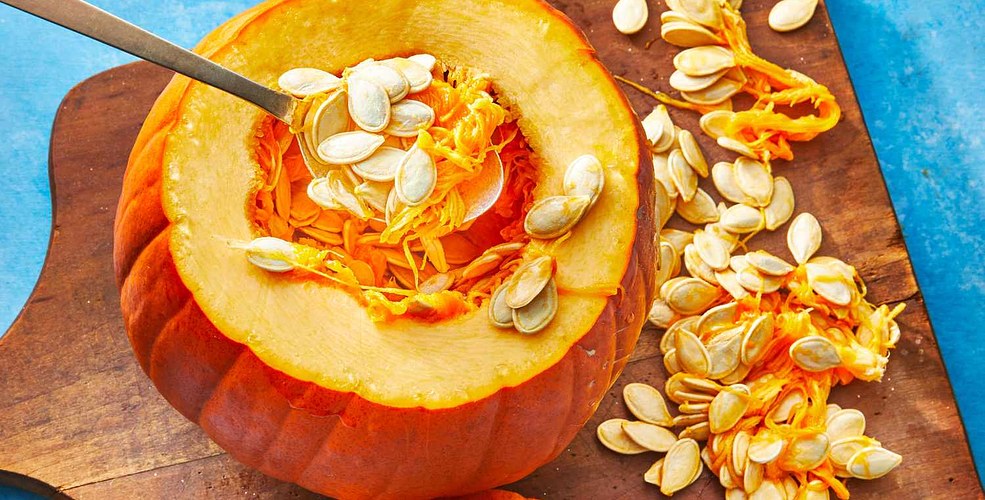
Discover the top health benefits of pumpkin seeds in Kenya. Learn how pumpkin seeds support heart health, immunity, hormones, sleep, weight management, and overall wellness.
Health Benefits of Pumpkin Seeds in Kenya
The health benefits of pumpkin seeds in Kenya have made these small but nutrient-packed seeds increasingly popular among health-conscious consumers. Commonly known as pepitas, pumpkin seeds are rich in protein, healthy fats, fiber, vitamins, minerals, and antioxidants that support overall health.
Whether you're looking to improve your heart health, strengthen your immune system, support hormone balance, or simply enjoy a healthy snack, pumpkin seeds are an excellent addition to your diet. They are widely available in supermarkets, health food stores, organic shops, and local markets across Kenya.
In this guide, we'll explore the top health benefits of pumpkin seeds in Kenya, their nutritional value, how to eat them, possible side effects, and answer frequently asked questions.
Whether you're looking to improve your heart health, strengthen your immune system, support hormone balance, or simply enjoy a healthy snack, pumpkin seeds are an excellent addition to your diet. They are widely available in supermarkets, health food stores, organic shops, and local markets across Kenya.
In this guide, we'll explore the top health benefits of pumpkin seeds in Kenya, their nutritional value, how to eat them, possible side effects, and answer frequently asked questions.
What Are Pumpkin Seeds?
Pumpkin seeds are the edible seeds found inside pumpkins. They are flat, oval-shaped, and green when the outer shell is removed.
In Kenya, pumpkins are commonly grown in many regions, making pumpkin seeds an affordable and nutritious local food that can be enjoyed roasted, raw, or added to a variety of meals.
Nutritional Value of Pumpkin Seeds
Pumpkin seeds are packed with nutrients, including:
Protein
Healthy fats (Omega-6 and Omega-9)
Dietary fiber
Magnesium
Zinc
Iron
Potassium
Phosphorus
Manganese
Copper
Vitamin E
B Vitamins
Powerful antioxidants
Their impressive nutritional profile explains why they are considered one of the healthiest seeds you can eat.
In Kenya, pumpkins are commonly grown in many regions, making pumpkin seeds an affordable and nutritious local food that can be enjoyed roasted, raw, or added to a variety of meals.
Nutritional Value of Pumpkin Seeds
Pumpkin seeds are packed with nutrients, including:
Protein
Healthy fats (Omega-6 and Omega-9)
Dietary fiber
Magnesium
Zinc
Iron
Potassium
Phosphorus
Manganese
Copper
Vitamin E
B Vitamins
Powerful antioxidants
Their impressive nutritional profile explains why they are considered one of the healthiest seeds you can eat.
Top Health Benefits of Pumpkin Seeds in Kenya
1. Rich Source of Plant-Based Protein
Pumpkin seeds provide a good amount of plant protein, making them an excellent option for:
Vegetarians
Vegans
Athletes
People looking to increase protein intake naturally
Protein helps build muscles, repair tissues, and support overall body function.
2. Supports Heart Health
One of the leading health benefits of pumpkin seeds in Kenya is their ability to support cardiovascular health.
They contain:
Magnesium
Healthy unsaturated fats
Antioxidants
Fiber
These nutrients may help support healthy blood pressure and cholesterol levels when combined with a balanced diet and healthy lifestyle.
3. Boosts the Immune System
Pumpkin seeds are naturally rich in zinc.
Zinc plays an important role in:
Immune function
Wound healing
Cell growth
Fighting infections
A healthy immune system is essential throughout the year.
4. Supports Healthy Hormone Balance
Pumpkin seeds contain healthy fats, zinc, and magnesium that contribute to normal hormone production and regulation.
Many people include pumpkin seeds as part of a balanced diet to support hormonal health.
5. May Support Men's Prostate Health
Pumpkin seeds have long been associated with supporting prostate health because they are rich in zinc and plant compounds.
While they are not a treatment for prostate conditions, they can be part of a healthy diet that supports overall wellness.
6. Promotes Better Sleep
Pumpkin seeds naturally contain:
Magnesium
Tryptophan
These nutrients contribute to normal muscle function and the production of serotonin and melatonin, which are involved in healthy sleep cycles.
Eating a small serving in the evening may complement other good sleep habits.
7. Supports Healthy Bones
Magnesium and phosphorus found in pumpkin seeds are important for maintaining strong bones and teeth.
Regular intake alongside adequate calcium and vitamin D supports overall bone health.
8. Helps Maintain Healthy Blood Sugar Levels
Pumpkin seeds are:
High in fiber
Low in added sugars (when eaten plain)
Rich in magnesium
Including them in balanced meals may help support healthy blood sugar management.
People living with diabetes should continue following medical advice regarding diet and medication.
9. Supports Digestive Health
Pumpkin seeds contain dietary fiber that helps:
Promote regular bowel movements
Feed beneficial gut bacteria
Improve digestive health
Increase feelings of fullness
10. May Aid Weight Management
Because pumpkin seeds are rich in:
Protein
Fiber
Healthy fats
They can help keep you feeling satisfied between meals, making them a smart snack choice when eaten in moderation.
11. Rich in Powerful Antioxidants
Pumpkin seeds contain antioxidants such as:
Vitamin E
Carotenoids
Phenolic compounds
These help protect the body's cells from oxidative stress caused by free radicals.
12. Supports Healthy Skin
Healthy fats, vitamin E, and zinc contribute to maintaining healthy skin.
Many people include pumpkin seeds as part of a balanced diet aimed at supporting skin health from within.
13. Supports Healthy Hair
Pumpkin seeds provide nutrients like zinc, iron, and protein that contribute to normal hair growth and maintenance.
They work best as part of an overall nutritious diet.
14. Provides Energy
Pumpkin seeds contain iron, magnesium, protein, and healthy fats that help support normal energy production.
They make an excellent mid-morning or afternoon snack.
15. Supports Brain Function
The magnesium, zinc, healthy fats, and antioxidants in pumpkin seeds contribute to normal nervous system function and cognitive health.
How to Eat Pumpkin Seeds
There are many delicious ways to enjoy pumpkin seeds.
You can:
Eat them raw
Roast them lightly
Add them to porridge
Sprinkle them on salads
Mix them into yogurt
Blend them into smoothies
Add them to granola
Include them in homemade bread
Mix into trail mix
Sprinkle over oatmeal
Pumpkin seeds provide a good amount of plant protein, making them an excellent option for:
Vegetarians
Vegans
Athletes
People looking to increase protein intake naturally
Protein helps build muscles, repair tissues, and support overall body function.
2. Supports Heart Health
One of the leading health benefits of pumpkin seeds in Kenya is their ability to support cardiovascular health.
They contain:
Magnesium
Healthy unsaturated fats
Antioxidants
Fiber
These nutrients may help support healthy blood pressure and cholesterol levels when combined with a balanced diet and healthy lifestyle.
3. Boosts the Immune System
Pumpkin seeds are naturally rich in zinc.
Zinc plays an important role in:
Immune function
Wound healing
Cell growth
Fighting infections
A healthy immune system is essential throughout the year.
4. Supports Healthy Hormone Balance
Pumpkin seeds contain healthy fats, zinc, and magnesium that contribute to normal hormone production and regulation.
Many people include pumpkin seeds as part of a balanced diet to support hormonal health.
5. May Support Men's Prostate Health
Pumpkin seeds have long been associated with supporting prostate health because they are rich in zinc and plant compounds.
While they are not a treatment for prostate conditions, they can be part of a healthy diet that supports overall wellness.
6. Promotes Better Sleep
Pumpkin seeds naturally contain:
Magnesium
Tryptophan
These nutrients contribute to normal muscle function and the production of serotonin and melatonin, which are involved in healthy sleep cycles.
Eating a small serving in the evening may complement other good sleep habits.
7. Supports Healthy Bones
Magnesium and phosphorus found in pumpkin seeds are important for maintaining strong bones and teeth.
Regular intake alongside adequate calcium and vitamin D supports overall bone health.
8. Helps Maintain Healthy Blood Sugar Levels
Pumpkin seeds are:
High in fiber
Low in added sugars (when eaten plain)
Rich in magnesium
Including them in balanced meals may help support healthy blood sugar management.
People living with diabetes should continue following medical advice regarding diet and medication.
9. Supports Digestive Health
Pumpkin seeds contain dietary fiber that helps:
Promote regular bowel movements
Feed beneficial gut bacteria
Improve digestive health
Increase feelings of fullness
10. May Aid Weight Management
Because pumpkin seeds are rich in:
Protein
Fiber
Healthy fats
They can help keep you feeling satisfied between meals, making them a smart snack choice when eaten in moderation.
11. Rich in Powerful Antioxidants
Pumpkin seeds contain antioxidants such as:
Vitamin E
Carotenoids
Phenolic compounds
These help protect the body's cells from oxidative stress caused by free radicals.
12. Supports Healthy Skin
Healthy fats, vitamin E, and zinc contribute to maintaining healthy skin.
Many people include pumpkin seeds as part of a balanced diet aimed at supporting skin health from within.
13. Supports Healthy Hair
Pumpkin seeds provide nutrients like zinc, iron, and protein that contribute to normal hair growth and maintenance.
They work best as part of an overall nutritious diet.
14. Provides Energy
Pumpkin seeds contain iron, magnesium, protein, and healthy fats that help support normal energy production.
They make an excellent mid-morning or afternoon snack.
15. Supports Brain Function
The magnesium, zinc, healthy fats, and antioxidants in pumpkin seeds contribute to normal nervous system function and cognitive health.
How to Eat Pumpkin Seeds
There are many delicious ways to enjoy pumpkin seeds.
You can:
Eat them raw
Roast them lightly
Add them to porridge
Sprinkle them on salads
Mix them into yogurt
Blend them into smoothies
Add them to granola
Include them in homemade bread
Mix into trail mix
Sprinkle over oatmeal
How Much Pumpkin Seeds Should You Eat?
Most nutrition experts recommend around:
20–30 grams per day
This is roughly:
One handful
Two tablespoons
Moderation is important because pumpkin seeds are calorie-dense.
Where to Buy Pumpkin Seeds in Kenya
Pumpkin seeds are widely available from:
Major supermarkets
Health food stores
Organic shops
Farmers' markets
Online grocery stores
Local vendors selling dried seeds
When buying, choose plain, unsalted seeds whenever possible.
20–30 grams per day
This is roughly:
One handful
Two tablespoons
Moderation is important because pumpkin seeds are calorie-dense.
Where to Buy Pumpkin Seeds in Kenya
Pumpkin seeds are widely available from:
Major supermarkets
Health food stores
Organic shops
Farmers' markets
Online grocery stores
Local vendors selling dried seeds
When buying, choose plain, unsalted seeds whenever possible.
How to Store Pumpkin Seeds
Store pumpkin seeds in:
Airtight containers
Cool, dry places
Refrigerators for extended freshness
Proper storage helps preserve their healthy fats and prevents them from becoming rancid.
Airtight containers
Cool, dry places
Refrigerators for extended freshness
Proper storage helps preserve their healthy fats and prevents them from becoming rancid.
Are There Any Side Effects?
Pumpkin seeds are generally safe for most people.
However:
Eating too many may cause digestive discomfort because of their high fiber content.
Salted varieties can contribute to high sodium intake.
People with seed allergies should avoid them.
If you have a medical condition or are taking medication, consult a healthcare professional before making major dietary changes.
However:
Eating too many may cause digestive discomfort because of their high fiber content.
Salted varieties can contribute to high sodium intake.
People with seed allergies should avoid them.
If you have a medical condition or are taking medication, consult a healthcare professional before making major dietary changes.
Tips for Getting the Most Benefits
To maximize the health benefits of pumpkin seeds in Kenya:
Choose raw or dry-roasted seeds.
Avoid heavily salted or sugar-coated varieties.
Eat them consistently as part of a balanced diet.
Pair them with fruits, vegetables, whole grains, and lean proteins.
Store them properly to maintain freshness.
Choose raw or dry-roasted seeds.
Avoid heavily salted or sugar-coated varieties.
Eat them consistently as part of a balanced diet.
Pair them with fruits, vegetables, whole grains, and lean proteins.
Store them properly to maintain freshness.
FAQs on the Health Benefits of Pumpkin Seeds in Kenya
Are pumpkin seeds good for everyday consumption?
Yes. Most healthy adults can enjoy a moderate serving of pumpkin seeds daily as part of a balanced diet.
Do pumpkin seeds help with weight loss?
Pumpkin seeds can support weight management because they contain protein, fiber, and healthy fats that promote fullness. Portion control remains important.
Can children eat pumpkin seeds?
Yes. Pumpkin seeds can be a nutritious snack for children, provided they are age-appropriate to reduce choking risk and are not heavily salted.
Are roasted pumpkin seeds healthy?
Yes. Dry-roasted pumpkin seeds retain many of their nutrients. Avoid excessive oil, salt, or added sugar.
Do pumpkin seeds contain protein?
Yes. Pumpkin seeds are an excellent plant-based source of protein.
Can pregnant women eat pumpkin seeds?
In most cases, pumpkin seeds can be part of a healthy pregnancy diet due to their nutrient content. Pregnant women should seek personalized dietary advice from their healthcare provider.
Are pumpkin seeds good for men?
Pumpkin seeds provide nutrients such as zinc and healthy fats that support overall men's health, including prostate health, as part of a balanced diet.
Can pumpkin seeds improve sleep?
They contain magnesium and tryptophan, nutrients involved in normal sleep regulation. Eating them may complement healthy sleep habits but is not a treatment for insomnia.
Yes. Most healthy adults can enjoy a moderate serving of pumpkin seeds daily as part of a balanced diet.
Do pumpkin seeds help with weight loss?
Pumpkin seeds can support weight management because they contain protein, fiber, and healthy fats that promote fullness. Portion control remains important.
Can children eat pumpkin seeds?
Yes. Pumpkin seeds can be a nutritious snack for children, provided they are age-appropriate to reduce choking risk and are not heavily salted.
Are roasted pumpkin seeds healthy?
Yes. Dry-roasted pumpkin seeds retain many of their nutrients. Avoid excessive oil, salt, or added sugar.
Do pumpkin seeds contain protein?
Yes. Pumpkin seeds are an excellent plant-based source of protein.
Can pregnant women eat pumpkin seeds?
In most cases, pumpkin seeds can be part of a healthy pregnancy diet due to their nutrient content. Pregnant women should seek personalized dietary advice from their healthcare provider.
Are pumpkin seeds good for men?
Pumpkin seeds provide nutrients such as zinc and healthy fats that support overall men's health, including prostate health, as part of a balanced diet.
Can pumpkin seeds improve sleep?
They contain magnesium and tryptophan, nutrients involved in normal sleep regulation. Eating them may complement healthy sleep habits but is not a treatment for insomnia.
Final Thoughts on Health Benefits of Pumpkin Seeds in Kenya
The health benefits of pumpkin seeds in Kenya make them one of the most nutritious and versatile foods you can include in your daily diet. Packed with protein, healthy fats, fiber, vitamins, minerals, and antioxidants, these tiny seeds support heart health, immunity, digestion, bone strength, hormone balance, and overall wellness.
Whether you enjoy them raw, roasted, or mixed into your favorite meals, pumpkin seeds are an affordable and convenient way to boost your nutrient intake. While they are not a cure for any medical condition, incorporating them into a balanced diet and healthy lifestyle can contribute to long-term health.
If you're looking for a simple superfood that's easy to find in Kenya, pumpkin seeds are a smart choice for the whole family.
Whether you enjoy them raw, roasted, or mixed into your favorite meals, pumpkin seeds are an affordable and convenient way to boost your nutrient intake. While they are not a cure for any medical condition, incorporating them into a balanced diet and healthy lifestyle can contribute to long-term health.
If you're looking for a simple superfood that's easy to find in Kenya, pumpkin seeds are a smart choice for the whole family.