
How to Make Soursop Tea at Home in Kenya
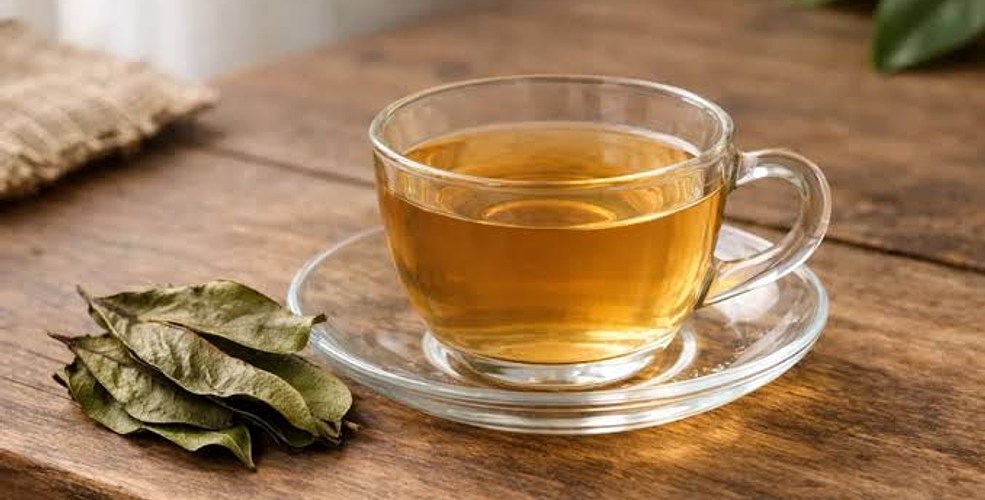
Learn how to make soursop tea at home in Kenya using fresh or dried leaves, including preparation steps, ingredients, safety considerations, FAQs, and storage tips.
How to Make Soursop Tea at Home in Kenya
Soursop is a popular tropical fruit in Kenya, known for its distinctive flavour and soft, creamy flesh. Beyond eating the fruit, some people also prepare tea using soursop leaves as part of their traditional home beverage routines.
If you are searching for How to Make Soursop Tea at Home in Kenya, preparing the tea is relatively simple. With fresh or properly dried soursop leaves, clean water, and a few basic kitchen items, you can make a simple herbal infusion at home.
However, it is important to understand that soursop leaf tea is a traditional herbal drink and should not be considered a treatment or cure for diseases.
What Is Soursop Tea?
Soursop tea is a herbal drink commonly prepared by steeping or gently simmering soursop leaves in hot water.
Soursop is also known as Annona muricata. The plant grows in tropical regions, including parts of Kenya, and is commonly known locally for its fruit.
While the fruit is widely consumed as food, soursop leaves are also used in some traditional preparations, including herbal tea.
The taste of soursop leaf tea can be mild and earthy. Some people add ingredients such as ginger, lemon, or honey to improve the flavour.
To make a basic cup of soursop tea at home, you will need:
- 2–3 clean soursop leaves
- 2 cups of clean water
- Honey or another sweetener, optional
- Lemon or ginger, optional
If using dried soursop leaves, follow the preparation instructions provided with the product because dried leaves can vary in strength and quality.
How to Make Soursop Tea at Home in Kenya
Step 1: Choose Fresh Soursop Leaves
Start with fresh, healthy-looking soursop leaves.
Avoid leaves that appear mouldy, heavily damaged, contaminated, or exposed to chemicals. If you are collecting leaves from your own tree, make sure the tree has not recently been treated with pesticides or other chemicals.
Step 2: Wash the Leaves
Rinse the leaves thoroughly under clean running water to remove dirt and other surface contaminants.
Do not use leaves that cannot be confidently identified as soursop leaves.
Step 3: Boil the Water
Pour about two cups of clean drinking water into a small saucepan and bring it to a boil.
Using clean water is important when preparing any homemade beverage.
Step 4: Add the Soursop Leaves
Once the water is hot, add the cleaned soursop leaves.
Some traditional recipes simmer the leaves gently for several minutes, while others steep them in hot water like ordinary herbal tea.
Step 5: Simmer or Steep
Allow the leaves to steep or gently simmer for several minutes.
There is no well-established standard dose or preparation method for soursop leaf tea, so avoid making an unusually concentrated preparation.
Step 6: Strain the Tea
Remove the leaves and strain the liquid into a clean cup.
Allow the tea to cool to a comfortable drinking temperature before consuming it.
Step 7: Add Flavour if Desired
You can add a small amount of honey, lemon, or ginger if you want to change the flavour.
These additions are optional and are not necessary for making soursop tea.
How to Make Soursop Tea Using Dried Leaves
Dried soursop leaves can also be used to prepare tea.
If you purchase dried leaves from a retailer, follow the preparation instructions provided on the packaging.
Generally, dried leaves can be placed in hot water and allowed to steep before being strained.
Because drying changes the concentration and amount of plant material used per serving, it is better to follow the manufacturer's directions rather than assuming that the same quantity used for fresh leaves is appropriate.
How Does Soursop Tea Taste?
Soursop leaf tea generally has a mild herbal taste that may be slightly earthy or bitter.
The flavour can vary depending on the freshness of the leaves, preparation method, and concentration.
If you find the taste too strong, you can add lemon, ginger, or a small amount of honey.
Can You Drink Soursop Tea Every Day?
There is not enough reliable evidence to establish a safe daily amount of soursop leaf tea for everyone.
Soursop leaves contain naturally occurring compounds, including annonacin, that have raised safety concerns when consumed in significant amounts or over prolonged periods.
For this reason, soursop leaf tea should not automatically be treated like ordinary black or green tea that can be consumed freely every day.
If you are considering regular or long-term use, particularly if you take medication or have an underlying health condition, consult a qualified healthcare professional first.
Soursop Tea vs Soursop Fruit
It is important to distinguish between soursop fruit and soursop leaf tea.
- Soursop fruit is a food that can be enjoyed as part of a balanced diet. It contains nutrients and can be eaten fresh or used in drinks and other recipes.
- Soursop leaf tea, on the other hand, is a concentrated herbal preparation made from the leaves. The safety considerations are therefore different.
- Claims that soursop leaf tea provides the same nutritional benefits as eating the fruit should be treated cautiously.
Can Soursop Tea Cure Diseases?
Soursop tea is sometimes promoted online as a natural remedy for serious health conditions. These claims are not a substitute for medical treatment.
There is insufficient clinical evidence to recommend soursop leaf tea as a treatment or cure for cancer, diabetes, high blood pressure, infections, or other diseases.
If you have a medical condition, do not replace prescribed treatment with soursop tea.
Important Safety Considerations
Before preparing soursop tea at home in Kenya, there are several safety issues worth considering.
1. Avoid Excessively Concentrated Tea
Using large quantities of leaves or consuming highly concentrated preparations may increase exposure to naturally occurring compounds in the plant.
2. Avoid Long-Term Excessive Consumption
Long-term or high consumption of soursop leaf preparations may present health concerns.
3. Pregnant and Breastfeeding Women
If you are pregnant or breastfeeding, it is best to avoid medicinal use of soursop leaf preparations unless your healthcare professional specifically recommends them.
4. Children
Do not give soursop leaf tea to children as a home remedy without advice from a qualified healthcare professional.
5. People Taking Medication
Herbal products can potentially interact with medications. If you regularly take prescription or other medicines, speak with a healthcare professional before consuming soursop leaf tea regularly.
6. People With Existing Health Conditions
If you have an existing health condition, especially one affecting the nervous system, liver, or kidneys, seek professional advice before using soursop leaf preparations.
How to Store Soursop Leaves
If you have fresh soursop leaves that you intend to use later, store them appropriately to reduce spoilage.
Fresh leaves should be kept clean and stored in suitable conditions. Dried leaves should be kept in an airtight container in a cool, dry place away from direct sunlight and moisture.
Discard leaves that develop mould, an unusual smell, or other signs of spoilage.
Where to Get Soursop Leaves in Kenya
Soursop trees grow in various parts of Kenya, particularly in warmer regions where tropical fruits thrive.
You may obtain fresh leaves from your own soursop tree, local growers, farmers, or trusted herbal product suppliers.
If buying dried soursop leaves, choose a reputable seller and check the packaging for information about the product, ingredients, storage instructions, and manufacturer or supplier.
FAQs on How to Make Soursop Tea at Home in Kenya
How do I make soursop tea at home in Kenya?
Wash fresh soursop leaves, add them to hot water, and allow them to steep or gently simmer for several minutes. Strain the tea and allow it to cool before drinking. Avoid making highly concentrated preparations.
How many soursop leaves do I need for tea?
There is no scientifically established standard dose for soursop leaf tea. A common home preparation may use a small number of leaves, but you should avoid excessive quantities or concentrated preparations.
Can I use fresh soursop leaves to make tea?
Yes, fresh soursop leaves are commonly used in traditional tea preparations. Make sure the leaves are correctly identified, clean, and free from pesticide contamination.
Can I use dried soursop leaves?
Yes. Dried leaves can be used to make an infusion, but follow the preparation instructions provided with the product because dried leaves can vary in concentration.
Can I drink soursop tea every day?
Long-term daily consumption of soursop leaf tea has not been established as safe. Soursop leaves contain compounds that have raised safety concerns, so regular consumption should be approached cautiously.
Does soursop tea cure cancer?
There is insufficient clinical evidence to conclude that soursop tea cures cancer. It should not replace cancer treatment or medical advice from qualified healthcare professionals.
Can pregnant women drink soursop leaf tea?
Pregnant women should avoid medicinal use of soursop leaf preparations unless advised otherwise by a qualified healthcare professional.
Can I add honey to soursop tea?
Yes. Honey can be added to improve the taste, provided it is suitable for you.
Related: 12 Best Teas for Stomach Cramps in Kenya
Related: 12 Best Teas for Stomach Cramps in Kenya
Final Thoughts on How to Make Soursop Tea at Home in Kenya
Learning How to Make Soursop Tea at Home in Kenya is relatively straightforward. Fresh soursop leaves can be cleaned, steeped or gently simmered in hot water, strained, and enjoyed as a traditional herbal beverage.
However, soursop leaf tea should be treated differently from ordinary teas. There is limited evidence about its long-term safety and effectiveness, and the leaves contain naturally occurring compounds that have raised concerns with prolonged or high exposure.
Enjoying soursop fruit as a food is different from regularly consuming concentrated preparations made from the leaves. If you are considering soursop tea for medicinal purposes, especially if you are pregnant, taking medication, or managing a health condition, speak with a qualified healthcare professional first.