
How to Identify Pure Coconut Oil in Kenya
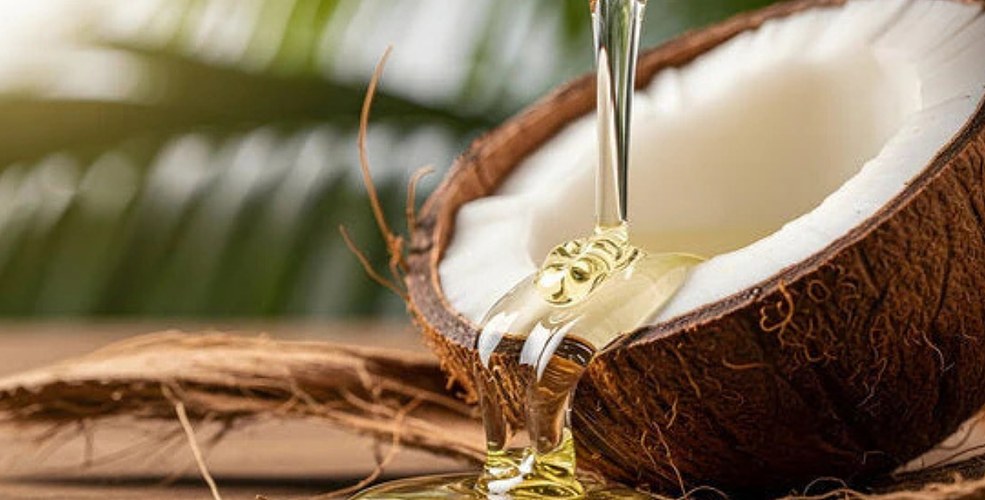
Learn how to identify pure coconut oil in Kenya using simple tests, labeling tips, and buying advice. Avoid fake or diluted coconut oil today.
Coconut oil has become one of the most popular natural products in Kenya—used for cooking, skincare, hair care, and even medicinal purposes. But with the growing demand comes a major problem: fake or diluted coconut oil flooding the market.
If you’ve ever bought coconut oil that smells odd, feels greasy instead of smooth, or doesn’t solidify in cool temperatures, chances are it wasn’t pure.
In this guide, you’ll learn How to Identify Pure Coconut Oil in Kenya, including practical tests you can do at home, what to check on labels, and how to avoid low-quality products.
Why It’s Important to Buy Pure Coconut Oil
Before we dive into identification, let’s quickly understand why purity matters.
Pure coconut oil (especially virgin or cold-pressed) retains essential nutrients such as:
- Healthy fats (medium-chain triglycerides)
- Antioxidants
- Natural antimicrobial properties
Fake or diluted oils, on the other hand:
- Lose nutritional value
- May contain harmful additives
- Don’t deliver the expected skin or hair benefits
Simply put, you’re wasting money and missing out on real benefits if the oil isn’t pure.
1. Check the Smell (A Simple but Powerful Test)
One of the easiest ways to identify pure coconut oil is through its smell.
What to expect:
- A mild, fresh coconut aroma
- Not overpowering, not artificial
Red flags:
- No smell at all → likely refined or mixed
- Strong artificial scent → added fragrance
- Rancid or sour smell → expired or poor quality
Tip: Pure virgin coconut oil smells like fresh coconut meat—not perfume.
2. Observe the Texture and Consistency
Pure coconut oil has a very distinct texture depending on temperature.
At room temperature (below ~24°C):
- Solid, white, and smooth
In warmer temperatures:
- Clear liquid
Signs of impure oil:
- Always liquid even in cool conditions
- Sticky or greasy texture instead of smooth
- Uneven clumps or separation
In many parts of Kenya (especially cooler mornings), pure coconut oil should solidify naturally.
3. Perform the Freezer Test
This is one of the most reliable home tests.
How to do it:
- Put a small amount of coconut oil in a container
- Place it in the fridge or freezer for 30 minutes
Results:
- Pure coconut oil → solidifies uniformly
- Adulterated oil → separates into layers
If you notice different layers forming, it likely means the oil has been mixed with other cheaper oils.
4. Check the Color
Color is another strong indicator of purity.
Pure coconut oil:
- White when solid
- Clear (not cloudy) when liquid
Impure coconut oil:
- Yellowish tint
- Cloudy even when warm
- Visible particles or impurities
Clean, natural coconut oil should always look fresh and consistent.
5. Read the Label Carefully
If you’re buying packaged coconut oil in Kenya, always check the label.
Look for these terms:
- “Virgin Coconut Oil”
- “Cold-Pressed”
- “Unrefined”
- “100% Pure Coconut Oil”
Avoid:
- “Refined coconut oil” (processed and less beneficial)
- Products with added ingredients or preservatives
Also check:
- Manufacturer details
- Certification marks (KEBS where applicable)
- Expiry date
Pro tip: The shorter the ingredient list, the better.
6. Taste Test (If Safe for Consumption)
If the coconut oil is meant for cooking, you can do a taste test.
Pure coconut oil:
- Light coconut flavor
- Smooth and pleasant
Fake or low-quality oil:
- Bitter or tasteless
- Oily without coconut flavor
This is especially useful when buying coconut oil for food use.
7. Check the Price (Too Cheap = Suspicious)
Let’s be honest—quality coconut oil is not the cheapest product.
If you find coconut oil being sold at a very low price compared to the market, it’s likely:
- Diluted with other oils
- Refined or heavily processed
- Low quality
In Kenya, pure coconut oil (especially cold-pressed) tends to be slightly more expensive due to the extraction process.
8. Buy From Trusted Brands or Sellers
Where you buy matters just as much as what you buy.
Best places to buy:
- Organic stores
- Reputable supermarkets
- Verified online shops
- Direct from local producers
Look for brands known for quality, such as:
- Gotani Organics
- Kentaste
- Local coastal producers from Kilifi or Mombasa
Avoid buying from unknown roadside vendors unless you trust the source.
9. Look at the Packaging
Packaging can tell you a lot about the product quality.
Good packaging:
- Sealed properly
- Clear labeling
- Stored in glass or high-quality plastic
Bad signs:
- Unsealed containers
- No label or branding
- Reused bottles
High-quality brands invest in proper packaging to maintain product integrity.
10. Shelf Life and Storage Behavior
Pure coconut oil has a relatively long shelf life (about 1–2 years if stored well).
Signs of good oil:
- Stays fresh for months
- Doesn’t develop bad smell quickly
Signs of bad oil:
- Turns rancid quickly
- Changes smell or color
Always store coconut oil in a cool, dry place away from direct sunlight.
Common Types of Coconut Oil in Kenya
Understanding the types can also help you identify purity:
1. Virgin Coconut Oil
- Best quality
- Cold-pressed
- No chemicals
2. Refined Coconut Oil
- Processed
- Less smell
- Fewer nutrients
3. Fractionated Coconut Oil
- Liquid form only
- Mostly used in cosmetics
For purity, always go for virgin or cold-pressed coconut oil.
Mistakes to Avoid When Buying Coconut Oil
Many people in Kenya unknowingly buy fake coconut oil because of these mistakes:
- Choosing the cheapest option
- Ignoring labels
- Not testing the oil
- Buying from unreliable sellers
Avoiding these mistakes can save you money and frustration.
FAQs About How to Identify Pure Coconut Oil in Kenya
1. How can I tell if coconut oil is pure at home?
You can use simple tests like the freezer test, smell test, and checking texture. Pure coconut oil solidifies evenly and has a mild coconut scent.
You can use simple tests like the freezer test, smell test, and checking texture. Pure coconut oil solidifies evenly and has a mild coconut scent.
2. Does pure coconut oil always solidify?
Yes. Pure coconut oil solidifies at temperatures below about 24°C. If it stays liquid in cool conditions, it may be mixed with other oils.
3. Is refined coconut oil pure?
Refined coconut oil can still be pure but is heavily processed and lacks nutrients. Virgin or cold-pressed coconut oil is the best option.
4. Why is my coconut oil yellow?
Yellow color may indicate impurities, poor processing, or mixing with other oils. Pure coconut oil should be white (solid) or clear (liquid).
5. Can fake coconut oil be harmful?
Yes. Some fake oils may contain additives or low-quality oils that can irritate the skin or provide no health benefits.
6. Where can I buy pure coconut oil in Kenya?
You can find it in organic shops, supermarkets, online stores, or directly from trusted coastal producers.
7. Why is pure coconut oil expensive in Kenya?
The extraction process (especially cold-pressing) is labor-intensive, which increases the cost—but ensures high quality.
Related: 10 Best Coconut Oil Brands in Kenya
Yes. Pure coconut oil solidifies at temperatures below about 24°C. If it stays liquid in cool conditions, it may be mixed with other oils.
3. Is refined coconut oil pure?
Refined coconut oil can still be pure but is heavily processed and lacks nutrients. Virgin or cold-pressed coconut oil is the best option.
4. Why is my coconut oil yellow?
Yellow color may indicate impurities, poor processing, or mixing with other oils. Pure coconut oil should be white (solid) or clear (liquid).
5. Can fake coconut oil be harmful?
Yes. Some fake oils may contain additives or low-quality oils that can irritate the skin or provide no health benefits.
6. Where can I buy pure coconut oil in Kenya?
You can find it in organic shops, supermarkets, online stores, or directly from trusted coastal producers.
7. Why is pure coconut oil expensive in Kenya?
The extraction process (especially cold-pressing) is labor-intensive, which increases the cost—but ensures high quality.
Related: 10 Best Coconut Oil Brands in Kenya
Final Thoughts on How to Identify Pure Coconut Oil in Kenya
Knowing How to Identify Pure Coconut Oil in Kenya is an essential skill—especially with the increasing number of counterfeit and low-quality products in the market.
The good news? You don’t need to be an expert.
By simply checking the smell, texture, color, label, price and doing quick tests like refrigeration, you can confidently tell whether your coconut oil is pure or not. If you’re serious about your health, skincare, or hair care, never compromise on quality. Always choose trusted sources and invest in genuine, natural coconut oil.
In the long run, pure coconut oil is not an expense—it’s an investment in your well-being.